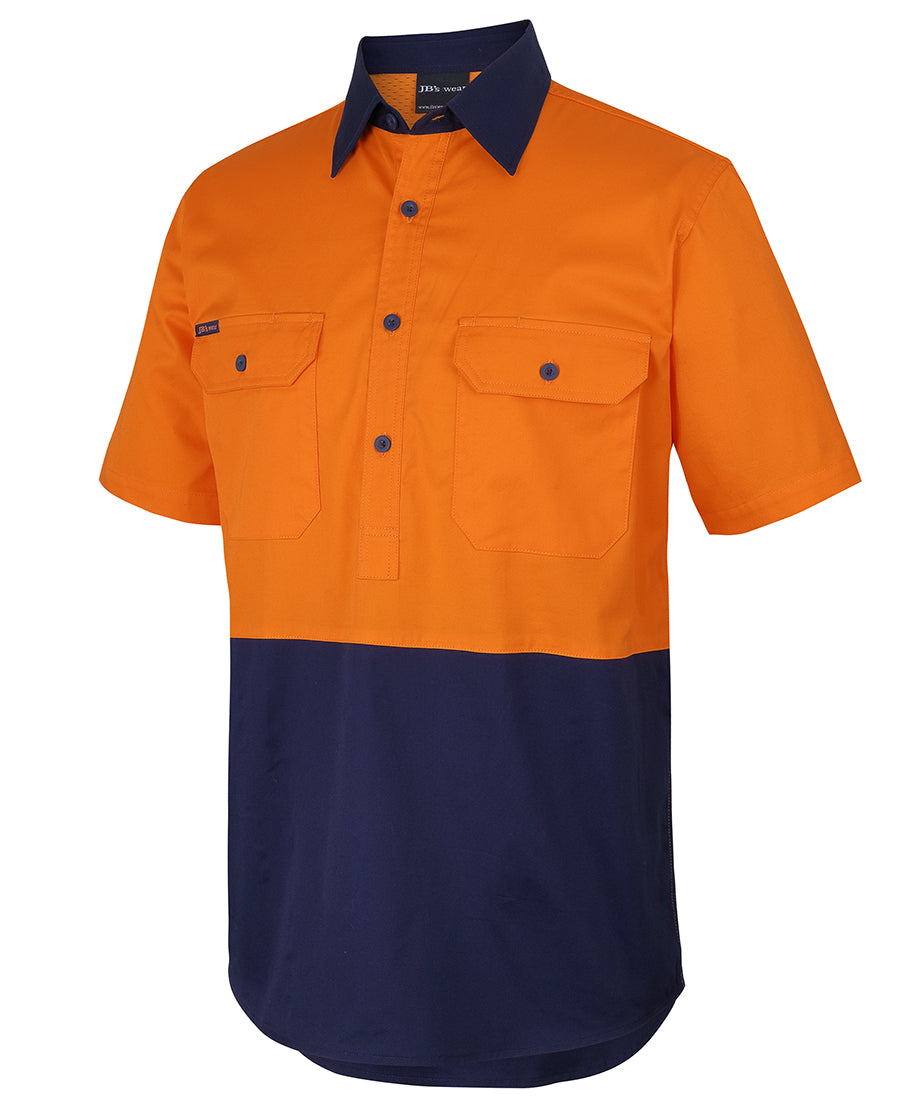
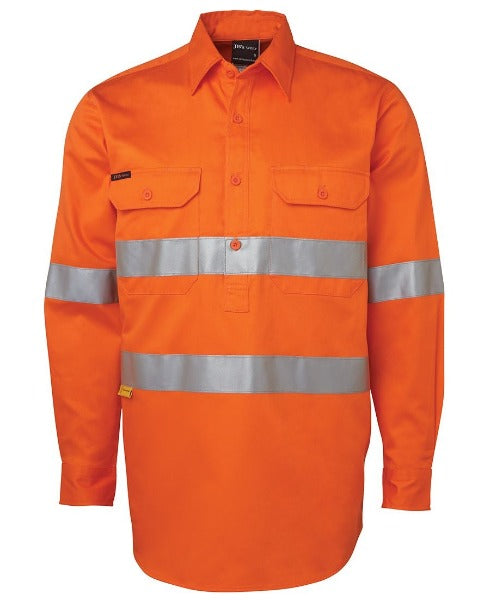
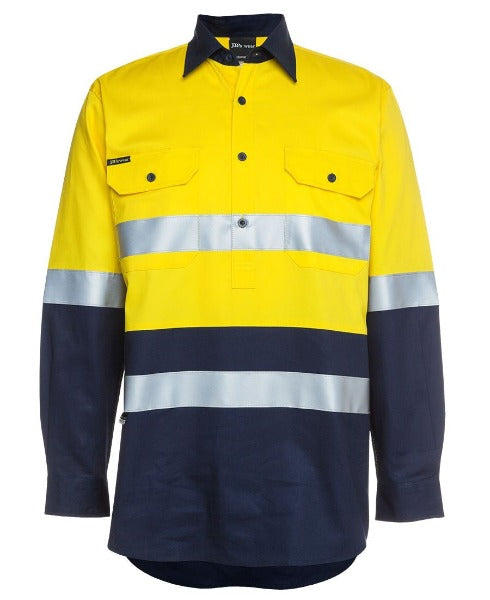
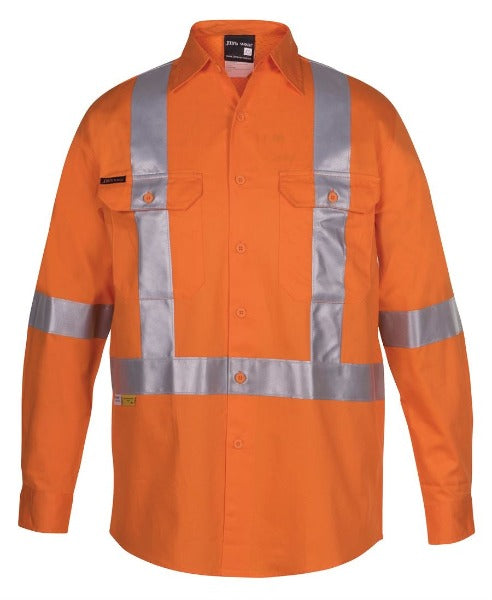
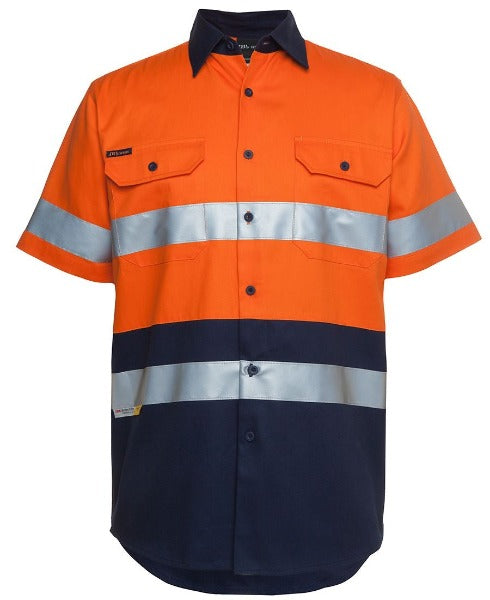
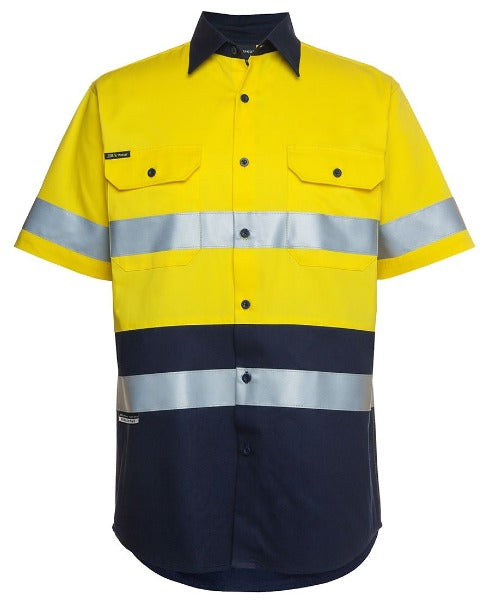
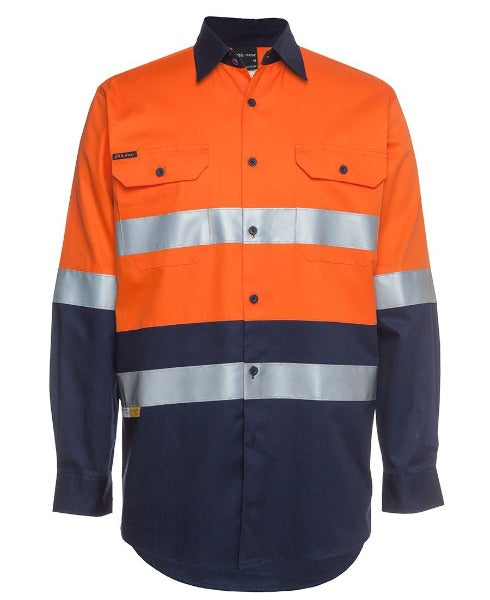
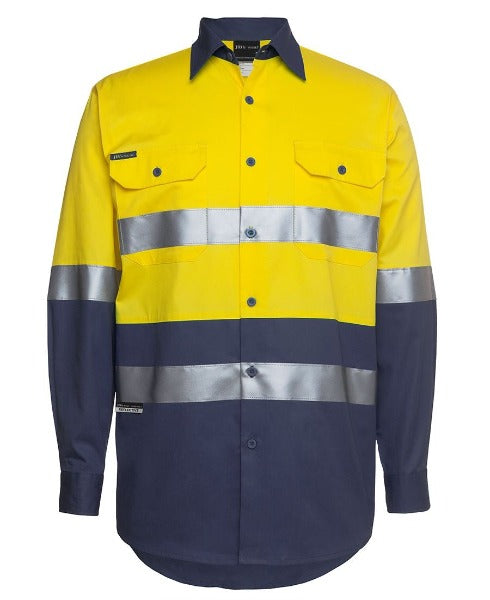
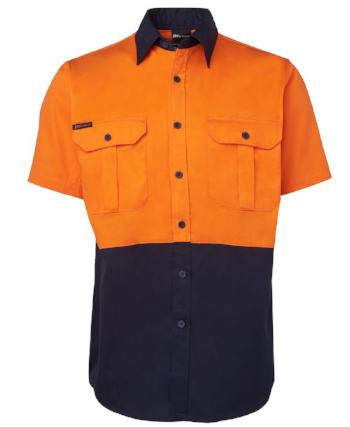
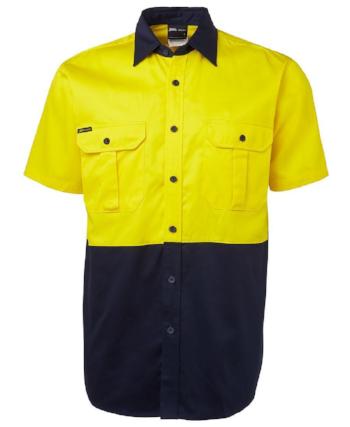
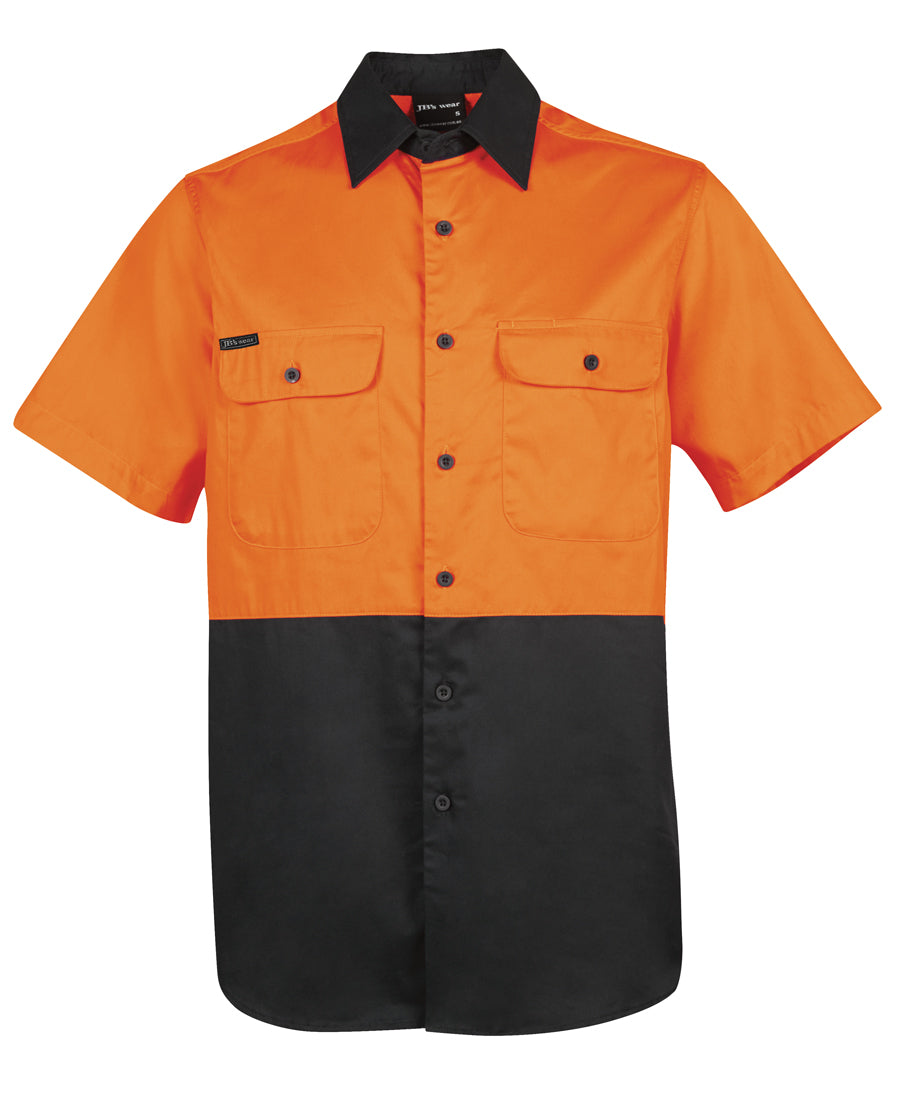
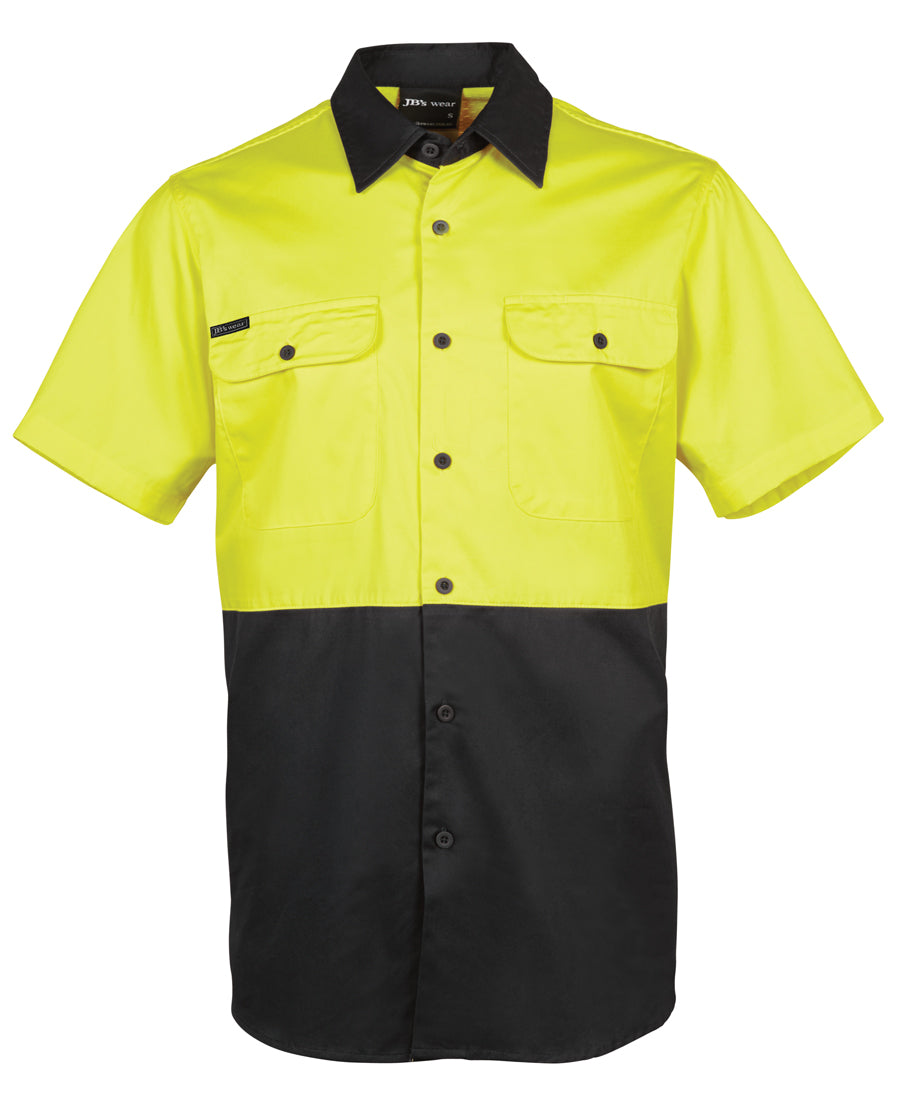
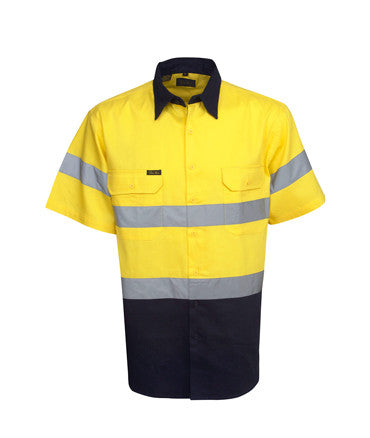
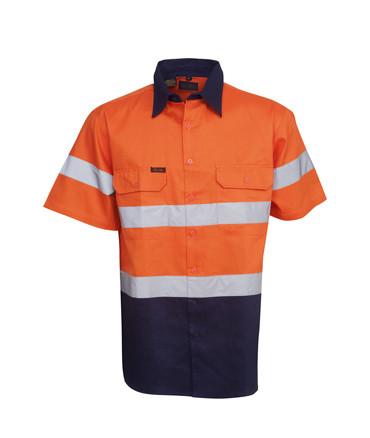
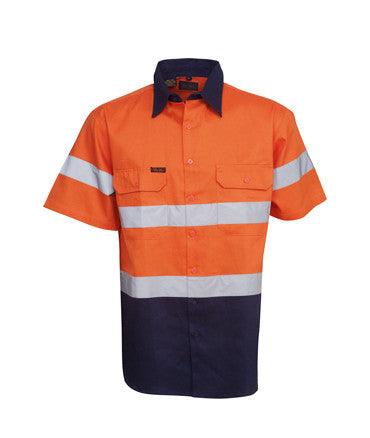
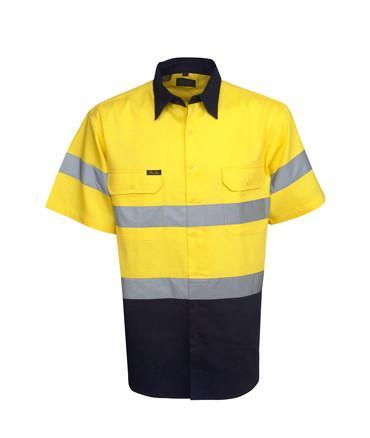
Custom Hi Vis Cotton Shirts


Learn more

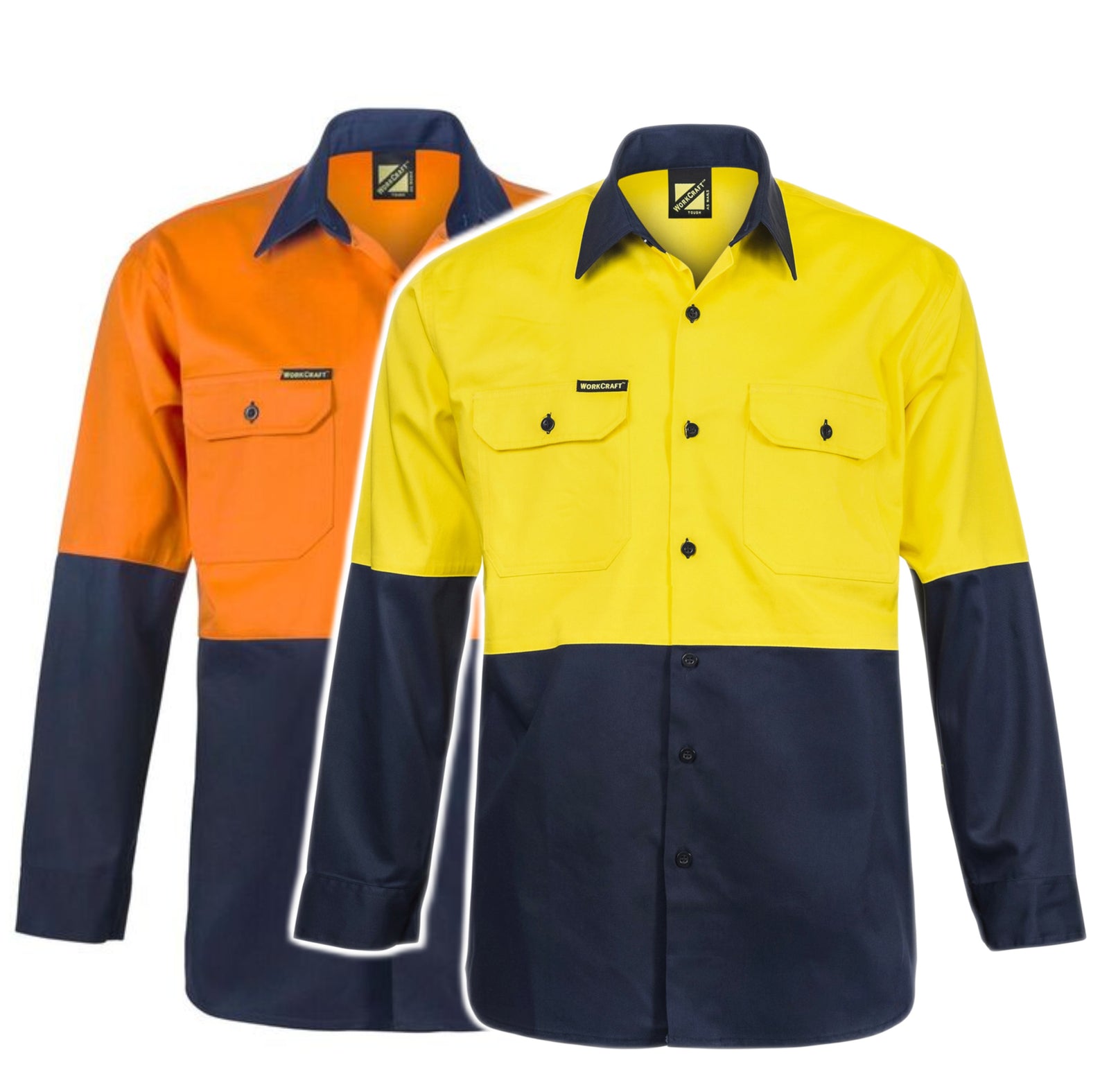
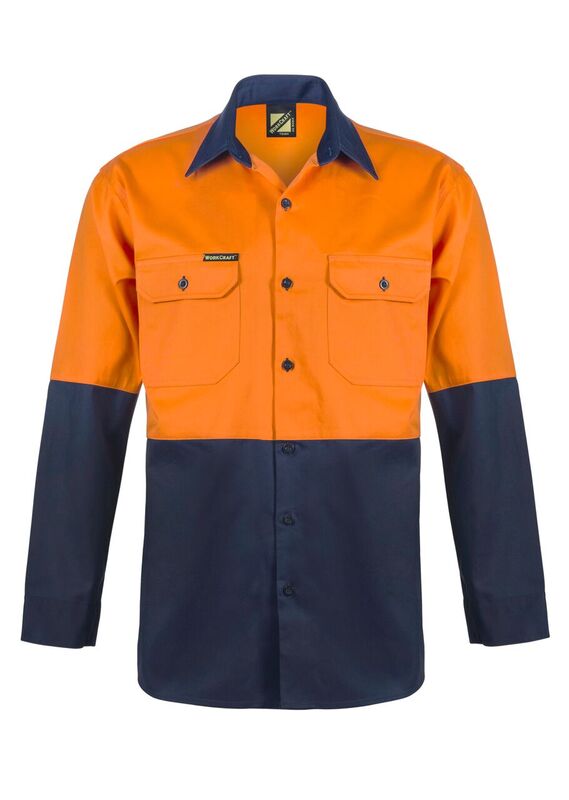
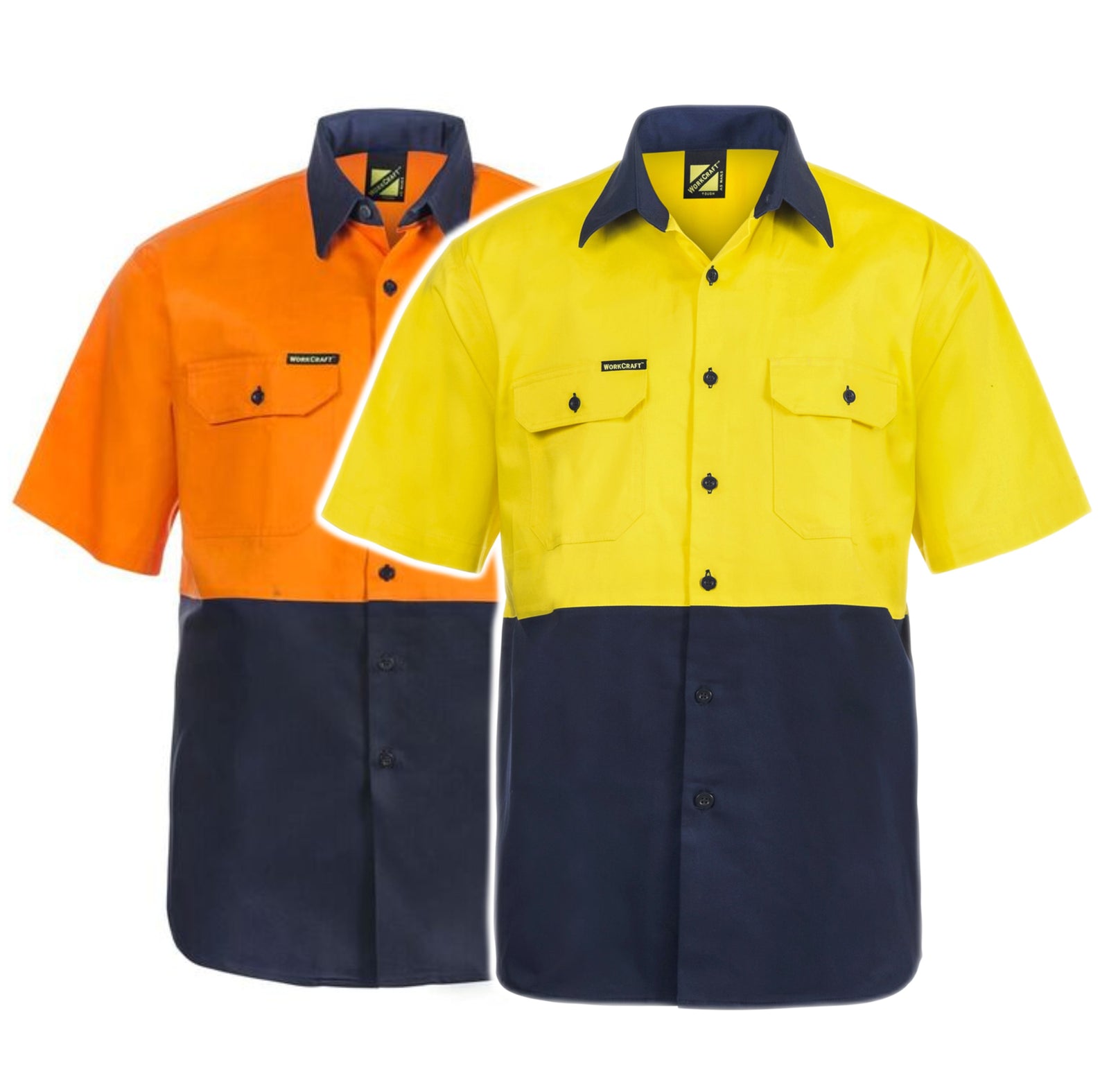
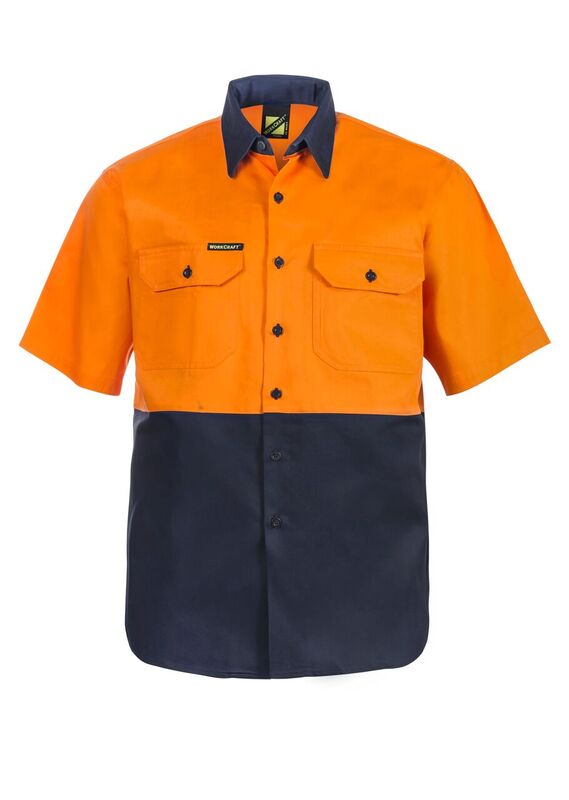
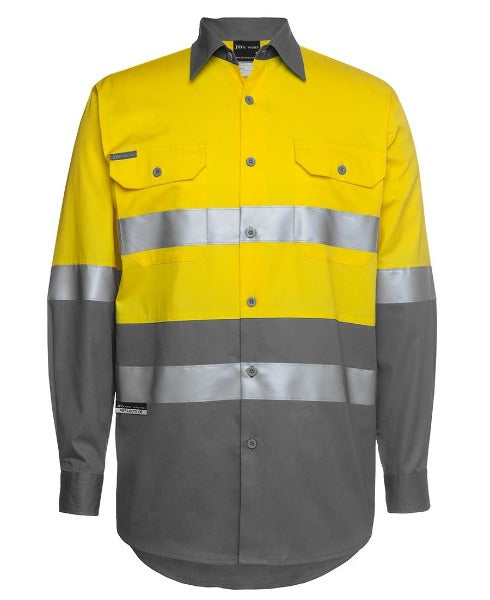
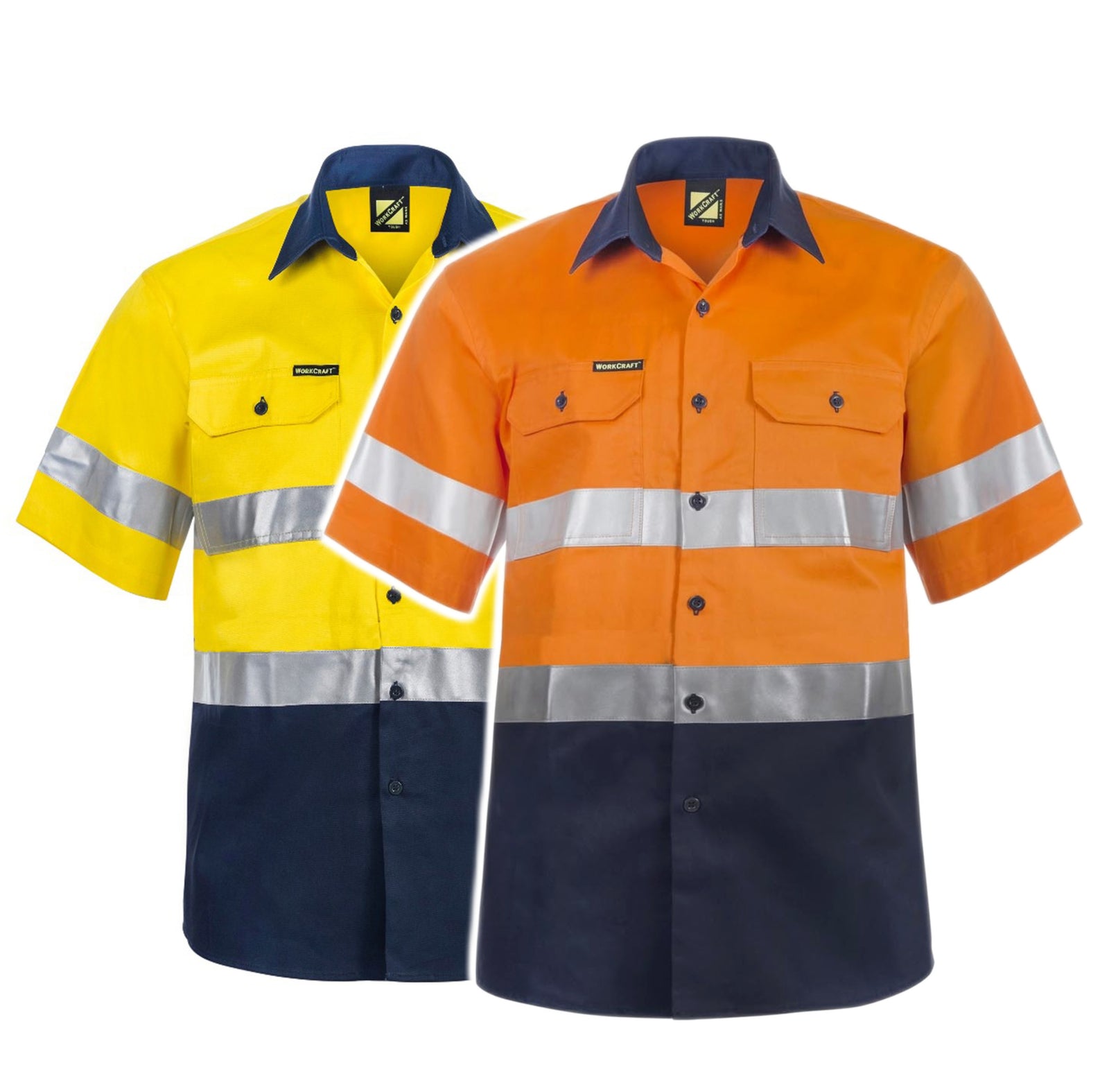
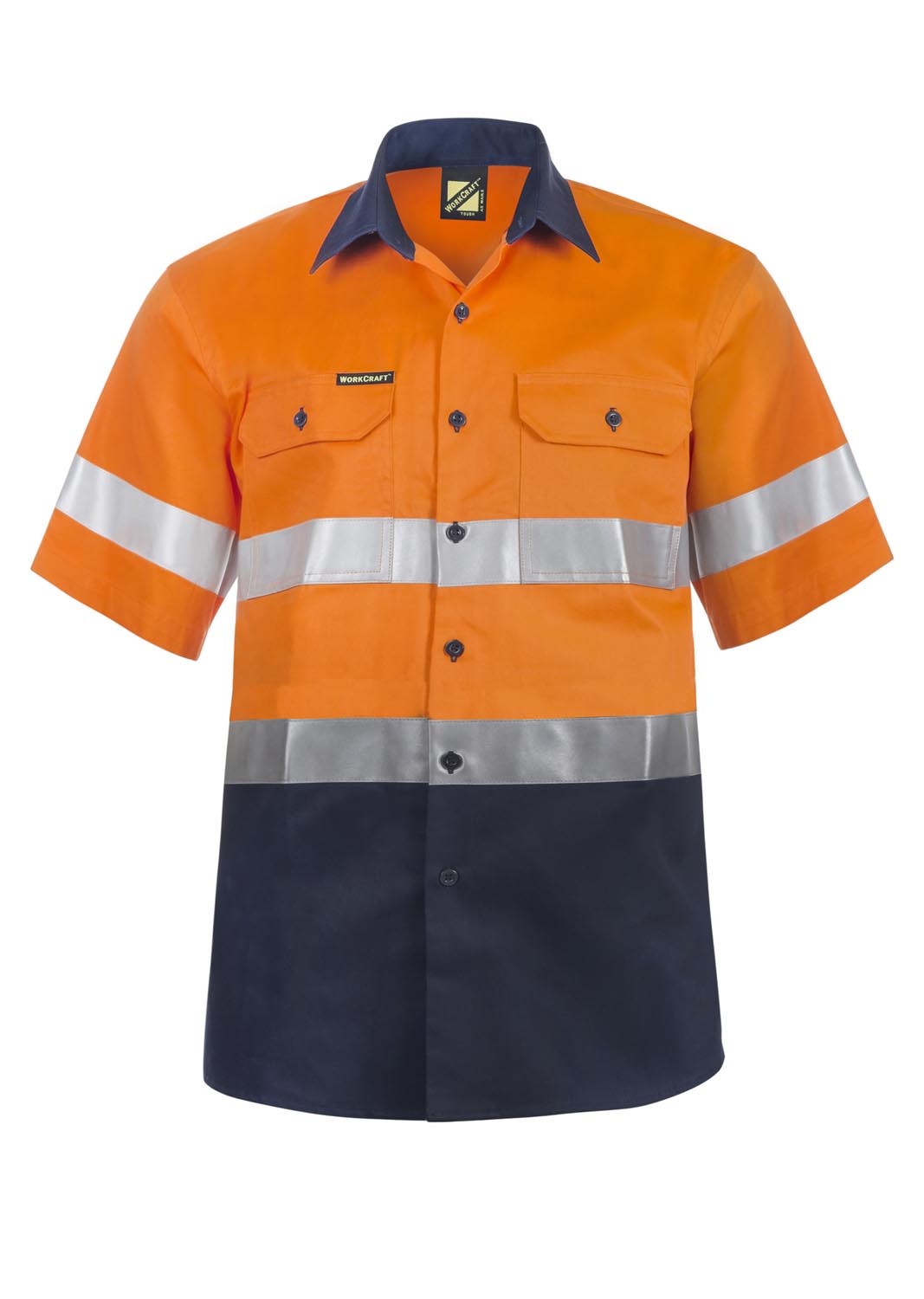
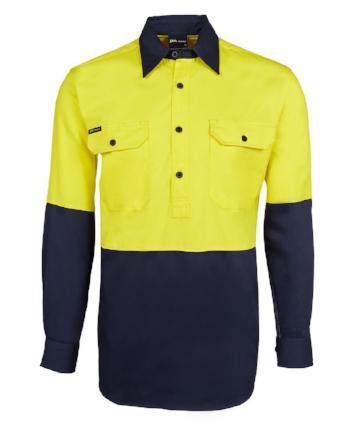
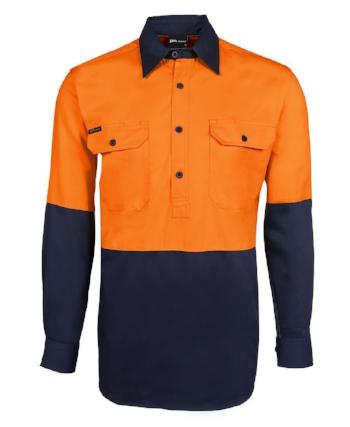
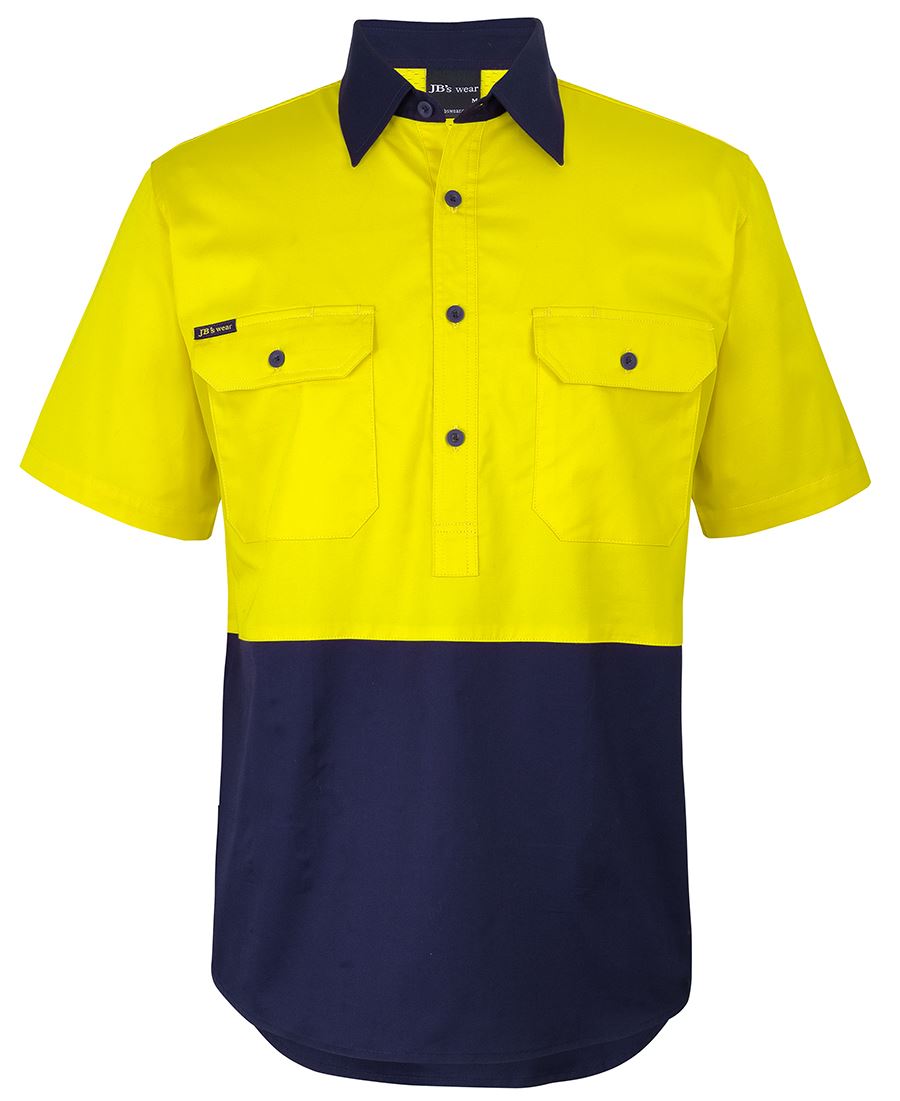
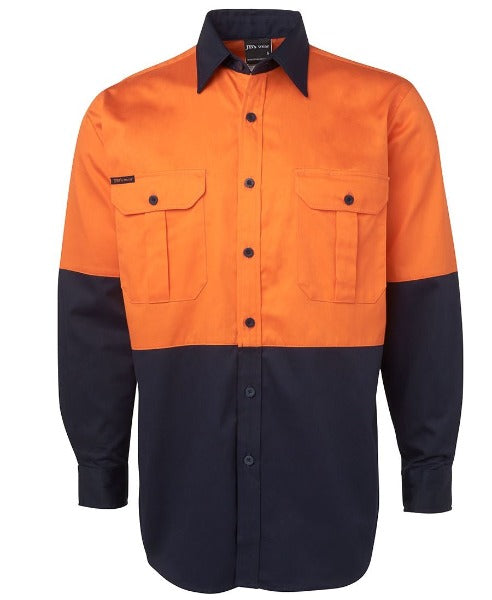
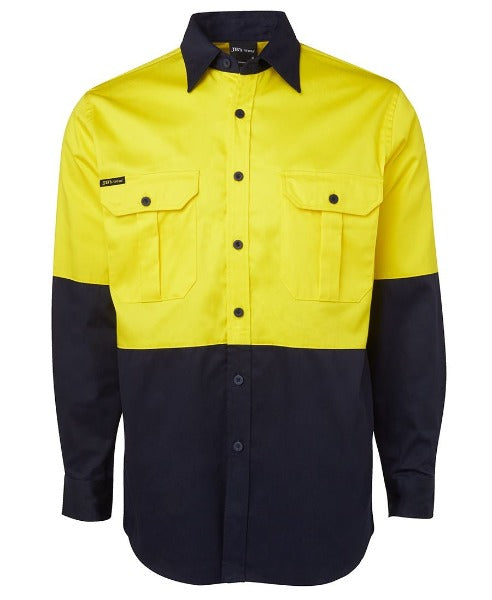
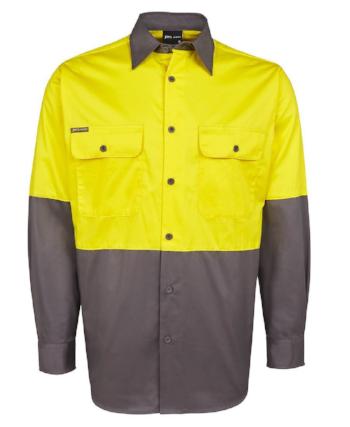
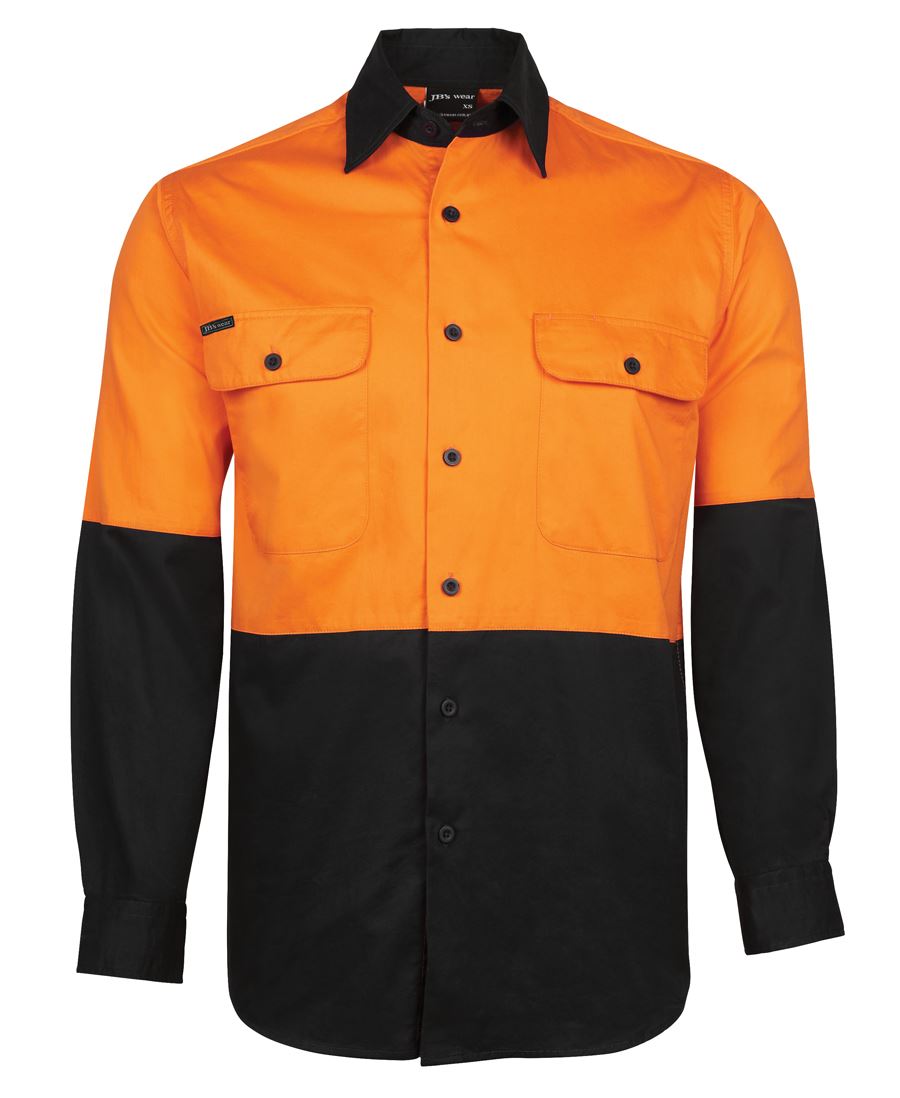
Our custom hi vis Cotton Drill Shirts are perfect for any industry where High Visibility Workwear safety is of the utmost importance. Your Personalised Branding on Hi Vis Cotton Drill Shirts can be Printed or Embroidered on Clothing, Your Printed Logo on uniforms or Embroidered Logo on Uniforms is applied In-House in Australia. Customized Hi Viz Cotton Drill Clothing with your logo and branding on Clothing promotes your business. We also have a range of non hi vis Cotton Drill Shirts available.

Frequently Asked Questions

Do your hi vis cotton drill shirts comply with AS/NZS 4602.1:2011?

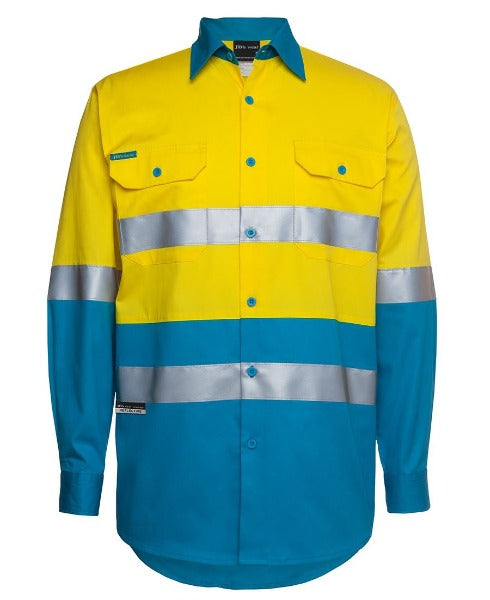
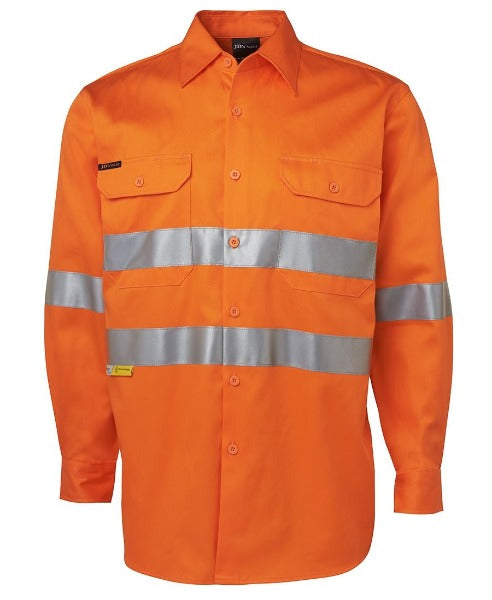
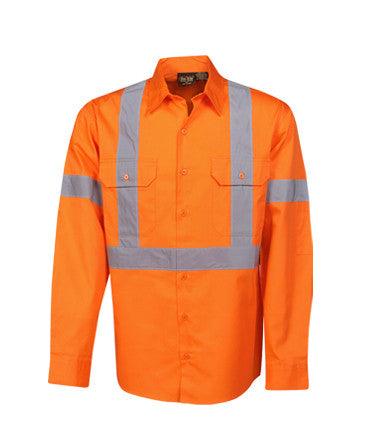
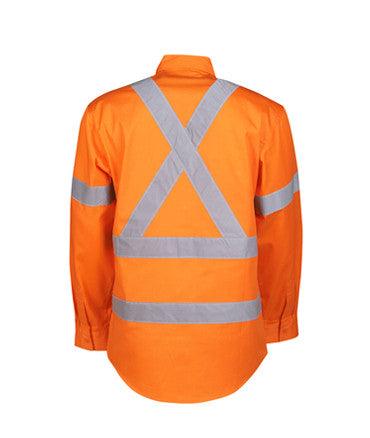
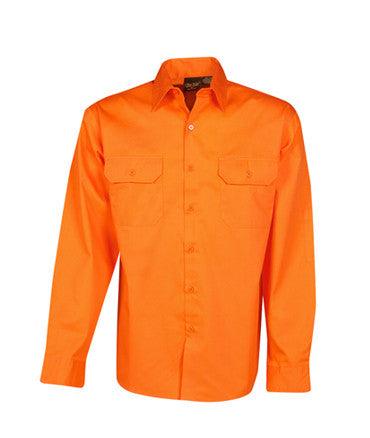
Compliance sits with the individual garment, not the collection as a whole, so check the specification on the product page for the shirt you are looking at. Some shirts in this range are built for daytime visibility only, while others carry reflective tape for day and night work.

Worth knowing: AS/NZS 4602.1:2011 has been superseded. Australia introduced AS 4602.1:2024 in June 2024, and that is the current edition covering high visibility garments for high risk applications. Plenty of people still say "AS/NZS 4602.1" out of habit, and plenty of industry paperwork still references it, so the old number will be floating around for a while yet. If your site, your client or your risk assessment specifies a particular class, match the garment to it before you order. Our plain-English guide to AS/NZS 4602.1 walks through what the standard actually covers.

What is the difference between Day Use and Day/Night (D/N) rated hi vis shirts?

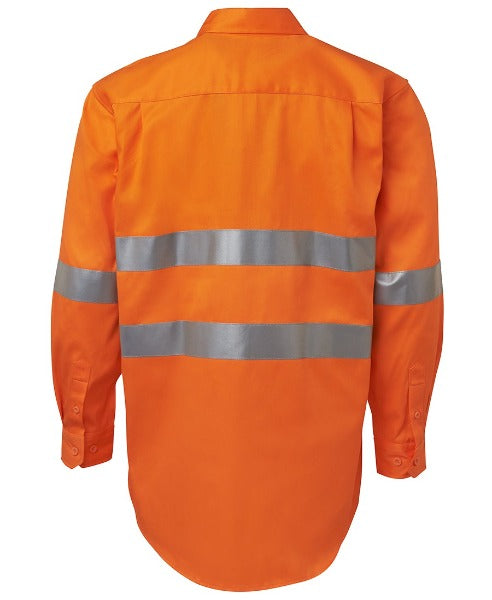
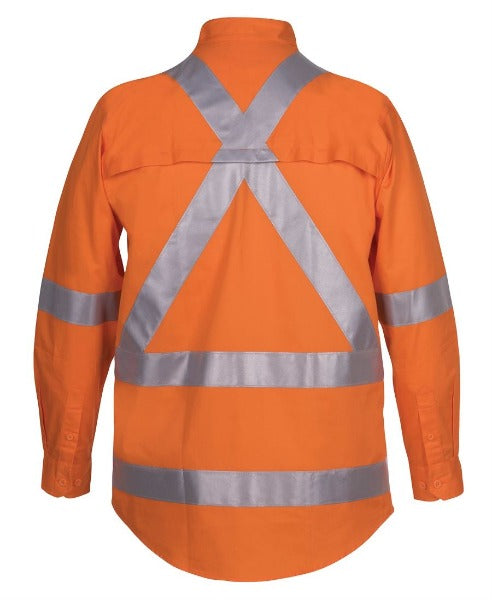
The difference is whether the shirt still does its job once the light goes. A Class D garment is built for daylight. It relies on fluorescent background material, those large areas of yellow or orange, to make the wearer stand out against the surroundings. In daylight that works well, but at dusk or under headlights, fluoro on its own does very little. Class D/N adds retroreflective tape, positioned to the standard, so the garment works across both. That tape bounces light back towards its source, which is why you can pick out a D/N shirt in a set of headlights from a long way off. The practical rule: if your crew starts before sunrise, finishes after dark, or works anywhere near traffic or moving plant, go D/N. We stock both, including 150gsm and 190gsm day/night shirts with 3M tape.

Can custom logo printing affect the compliance rating of a hi vis shirt?

It can, which is why placement matters more on hi-vis than on any other garment. Compliant hi-vis works because the fluorescent material and the reflective tape sit in particular areas, in particular amounts. Cover enough of that with a large back print, or run a logo straight across a band of tape, and you’ve changed the thing the garment was designed around. That’s why we brand hi-vis the same way every time. Front applications go to the left chest region unless you tell us otherwise, and back prints start at the shoulder blades. You can compare your printing and embroidery options before you order. You’ll get a mock-up emailed within 1 to 3 business days of placing your order, and nothing gets branded until you’ve approved it. See our setup and delivery info for the full process.

What does the difference between 150gsm and 190gsm mean for a hi vis drill shirt?

GSM is grams per square metre, which is simply the weight of the fabric. The trade-off is durability against heat. 150gsm is the lighter option. It breathes better and sits more comfortably through a long summer day, which makes it the usual pick for hot work, humid climates and anyone spending their shift in direct sun. 190gsm is heavier drill. It takes more abrasion before it gives up, holds its shape longer, and suits rougher sites, cooler months and jobs where shirts cop a hammering. Both weights come in long and short sleeve, with vented and closed front options across the range. If your crew works year round, plenty of businesses run 150gsm through summer and 190gsm through winter rather than compromising on one.

How do I wash hi vis cotton drill shirts without degrading the reflective tape?

Reflective tape tends to fail from heat and friction rather than from washing itself, so most of the damage happens in the dryer and under the iron. Stick to these:

  • Wash inside out, under 30°C. Check your machine actually runs cold, because many modern machines heat the water internally even with only the cold hose connected.
  • Skip the fabric softener and the bleach. Both attack tape adhesive and printing.
  • Do not soak garments.
  • Line dry in the shade, never a hot dryer.
  • Never dry clean.
  • If you have to iron, turn the shirt inside out, use low heat and put a towel over the design area. Never run an iron directly over tape or a print.

Check your gear regularly too. Fluoro fades, tape gets damaged, and a shirt that has lost its visibility has stopped being safety gear no matter how much life is left in the fabric. If you are replacing a crew's worth at once, our custom hi vis packs bundle shirts and branding together.

Important: this information is general only. Hi-vis requirements vary depending on your industry, location, worksite and risk assessment. Check the current standard, your state or territory WHS/OHS regulator and any site-specific requirements when deciding what your workers need.

Hi Vis Cotton Drill Shirts – Print & Embroidery 

Our custom hi-vis cotton drill shirts are the ultimate solution for industries that prioritise safety, durability, and professional presentation. Designed to meet the highest standards of high-visibility workwear, these shirts are ideal for construction, mining, and other demanding environments. Crafted from premium cotton drill fabric, they ensure all-day comfort while withstanding tough conditions.

Safe-T-Rex Workwear makes it simple to buy hi-vis cotton drill shirts online. Add your company logo through our in-house embroidery or printing service to create personalised workwear that promotes your brand. Every shirt is tailored in Australia with precision, ensuring a polished and long-lasting finish.

Choose Safe-T-Rex for reliable, customisable workwear solutions that keep your team looking professional while staying safe. Got a question? Get in touch with us now.

Frequently Asked Questions

Do your hi vis cotton drill shirts comply with AS/NZS 4602.1:2011?

Compliance sits with the individual garment, not the collection as a whole, so check the specification on the product page for the shirt you are looking at. Some shirts in this range are built for daytime visibility only, while others carry reflective tape for day and night work.

Worth knowing: AS/NZS 4602.1:2011 has been superseded. Australia introduced AS 4602.1:2024 in June 2024, and that is the current edition covering high visibility garments for high risk applications. Plenty of people still say "AS/NZS 4602.1" out of habit, and plenty of industry paperwork still references it, so the old number will be floating around for a while yet. If your site, your client or your risk assessment specifies a particular class, match the garment to it before you order. Our plain-English guide to AS/NZS 4602.1 walks through what the standard actually covers.

What is the difference between Day Use and Day/Night (D/N) rated hi vis shirts?

The difference is whether the shirt still does its job once the light goes. A Class D garment is built for daylight. It relies on fluorescent background material, those large areas of yellow or orange, to make the wearer stand out against the surroundings. In daylight that works well, but at dusk or under headlights, fluoro on its own does very little. Class D/N adds retroreflective tape, positioned to the standard, so the garment works across both. That tape bounces light back towards its source, which is why you can pick out a D/N shirt in a set of headlights from a long way off. The practical rule: if your crew starts before sunrise, finishes after dark, or works anywhere near traffic or moving plant, go D/N. We stock both, including 150gsm and 190gsm day/night shirts with 3M tape.

Can custom logo printing affect the compliance rating of a hi vis shirt?

It can, which is why placement matters more on hi-vis than on any other garment. Compliant hi-vis works because the fluorescent material and the reflective tape sit in particular areas, in particular amounts. Cover enough of that with a large back print, or run a logo straight across a band of tape, and you’ve changed the thing the garment was designed around. That’s why we brand hi-vis the same way every time. Front applications go to the left chest region unless you tell us otherwise, and back prints start at the shoulder blades. You can compare your printing and embroidery options before you order. You’ll get a mock-up emailed within 1 to 3 business days of placing your order, and nothing gets branded until you’ve approved it. See our setup and delivery info for the full process.

What does the difference between 150gsm and 190gsm mean for a hi vis drill shirt?

GSM is grams per square metre, which is simply the weight of the fabric. The trade-off is durability against heat. 150gsm is the lighter option. It breathes better and sits more comfortably through a long summer day, which makes it the usual pick for hot work, humid climates and anyone spending their shift in direct sun. 190gsm is heavier drill. It takes more abrasion before it gives up, holds its shape longer, and suits rougher sites, cooler months and jobs where shirts cop a hammering. Both weights come in long and short sleeve, with vented and closed front options across the range. If your crew works year round, plenty of businesses run 150gsm through summer and 190gsm through winter rather than compromising on one.

How do I wash hi vis cotton drill shirts without degrading the reflective tape?

Reflective tape tends to fail from heat and friction rather than from washing itself, so most of the damage happens in the dryer and under the iron. Stick to these:

  • Wash inside out, under 30°C. Check your machine actually runs cold, because many modern machines heat the water internally even with only the cold hose connected.
  • Skip the fabric softener and the bleach. Both attack tape adhesive and printing.
  • Do not soak garments.
  • Line dry in the shade, never a hot dryer.
  • Never dry clean.
  • If you have to iron, turn the shirt inside out, use low heat and put a towel over the design area. Never run an iron directly over tape or a print.

Check your gear regularly too. Fluoro fades, tape gets damaged, and a shirt that has lost its visibility has stopped being safety gear no matter how much life is left in the fabric. If you are replacing a crew's worth at once, our custom hi vis packs bundle shirts and branding together.

Important: this information is general only. Hi-vis requirements vary depending on your industry, location, worksite and risk assessment. Check the current standard, your state or territory WHS/OHS regulator and any site-specific requirements when deciding what your workers need.