-
Packs
-
Hi-Vis
-
Tops
-
Winter Wear
-
Pants
-
Hats
- Gallery
Method Best For
DTF Print Full colour logos, fine detail, gradients, front and back prints
Embroidery Professional uniforms and premium stitched logos on the chest
Sublimation / DTG Lightweight breathable prints on specific fabric types
Tip: If your logo has multiple colours, shading, gradients or fine detail, DTF printing is usually the best option.
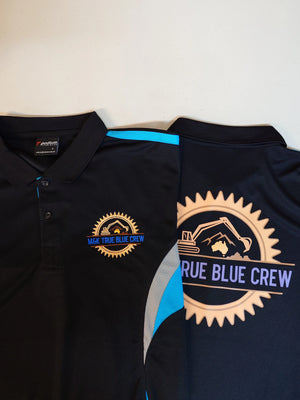
A professional stitched logo applied to the front chest area. Your design is recreated using coloured thread, forming a detailed stitched pattern. This is a popular choice for uniforms and workwear where a premium, long-lasting finish is preferred.

The coolest and most breathable print option for Cooldry polyester garments. The ink dyes directly into the fabric, creating a very lightweight finish that doesn’t affect airflow. Because the ink blends with the garment colour, the final logo colour may change depending on the shirt colour (for example, blue on hi-vis yellow may appear green). Works only on light coloured polyester garments.

A similar dye-based print used on white or very light coloured cotton garments. The ink is absorbed into the fabric fibres to produce a soft, breathable print. Works only on 100% cotton shirts in white or light colours where detailed artwork is required.

Our newest and most versatile print option. DTF allows full-colour logos, fine detail, gradients and complex artwork without the need for vinyl weeding. This makes it suitable for both front and back prints, producing vibrant and accurate branding across a wide range of garment types.

To see more examples for each application type check out our gallery
👇Click a category below to start your order or head to checkout if your gear’s already in the cart.
No quotes, no fuss - just add to cart and check out in minutes.
Once you place your order, we’ll send your logo mockup and embroidery preview to approve before we brand anything.
Getting your team looking sharp shouldn’t be a painful back-and-forth mission. At Safe-T-Rex, our package deals are built for busy businesses that need quality gear, clear branding and a simple ordering process without mucking around. Whether you’re fitting out a few tradies, a growing crew or the whole team, our workwear packages help you get the essentials sorted in one go.
Our package deals bring together practical, reliable options across printed work shirts, polos, hoodies, hi-vis gear, jackets, vests and more. You can choose styles that suit your site, your brand and your budget, then add your logo with professional printing or embroidery. It’s a straightforward way to order custom printed workwear without having to build everything from scratch.
We know that most business owners don’t have time to chase quotes, compare 20 different garments and wonder whether the logo will look right… that’s why we keep things easy. Upload your logo, choose your package, check out online, approve your mock-up, and we’ll handle the rest. New customers also get one free artwork setup, so getting started with logo workwear is even easier.


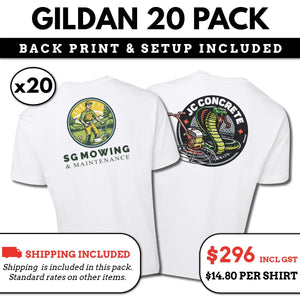


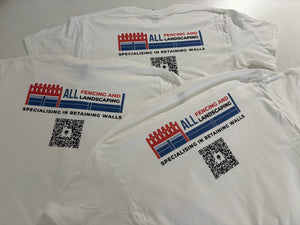
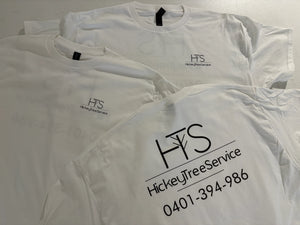
🚨 20 Tees. $296. Delivery Included.
That’s under $15 per tee - delivered. Try finding better value for proper work-ready, weekend-ready, brand-powered gear. You won’t.
Wear them on site, hand them out to mates, kit out the crew for BBQs, beach days, or pub nights - it’s merch, uniforms, and marketing all in one box.
⚠️ Delivery is included on this pack. Add other gear? Standard rates apply.
👇 Limited Stock. Lock in your 20 Pack today before someone else gets them.


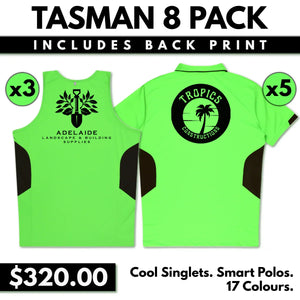
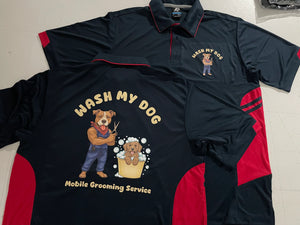
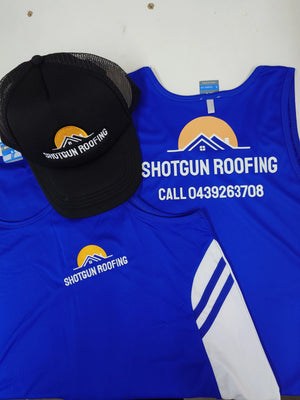
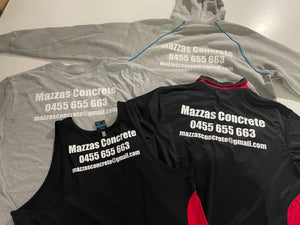
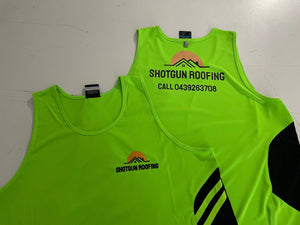
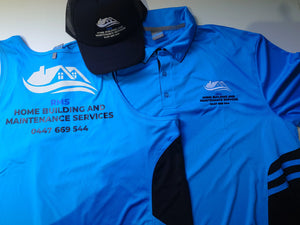
$320.00 AUD incl GST $331.74 AUD
Fresh polos. Hot singlets. Bold logo.
The Tasman Contrast 8 Pack keeps your crew looking on-point, beating the heat, and showing off your brand this spring - all in one killer bundle.
17 colours, bold logo print on the back, and gear tough enough for job sites but fresh enough for gyms, studios, or even the pub after work.
Picture your team in these - looking sharp, feeling cooler, and turning heads everywhere they go.
👇 Grab your Tasman Contrast 8 Pack - click to secure yours now!


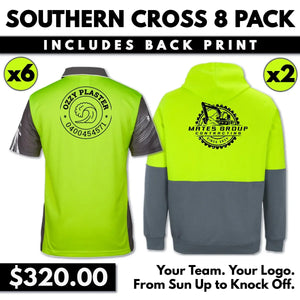


SOUTHERN CROSS 8 PACK – HI VIS POLOS & HOODIES WITH BACK PRINT
Polos for the sun, hoodies for the early starts - all bold back printed so your brand’s front and centre. We know you’re imagining your team in these, and yep, they look even better in real life.
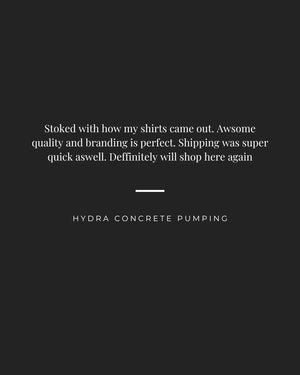
⭐ “Stoked with how my shirts came out. Awesome quality and branding is perfect. Shipping was super quick as well.” – Hydra Concrete Pumping
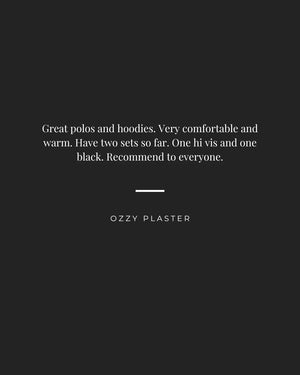
⭐ “Great polos and hoodies. Very comfortable and warm. Have two sets so far. Recommend to everyone.” – Ozzy Plaster
✅ 6 x hi-vis polos, 2 x fleecy hoodies
✅ Breathable, comfy, Aussie worksites approved
✅ Logo printed on the back – all included
Click here to lock in your 8 Pack and make your crew the envy of every site.


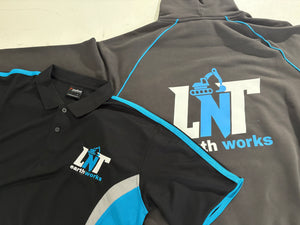
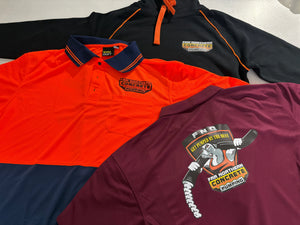
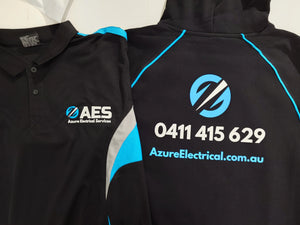
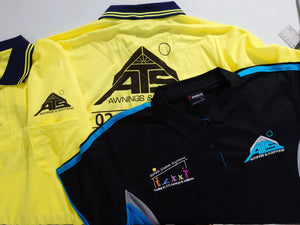
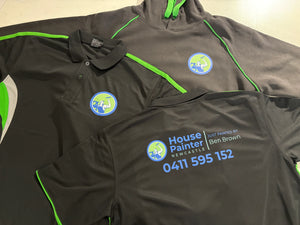
JBS COOL POLO 8 PACK – FRONT EMBROIDERED FOR CREWS THAT MEAN BUSINESS
8 moisture-wicking polos, embroidered up front, keeping your crew dry, fresh, and on-brand no matter how tough the day gets. Hot days, long shifts, or client visits - these polos have your team covered.
⭐ “Professional from start to finish… quality of the finished product is mint. Lots of people asked our crew where we got our gear!” – Masters Stone Services
⭐ “Quality of the embroidery was top notch, sharp clean lines… delivered fast at a great price. Will definitely order again!” – Capital Gas
✅ 8 x JBS Cool Polos – Front Embroidery included
✅ Podium Cool™ fabric + contrast mesh panels for breathability
✅ 14 colours to match your brand & kit out the whole crew
Click here to lock in your 8 Pack and get your team looking sharp on and off site.


